Safety. People. Transformation.

Safety starts with behaviour.

We'll guide you how to build a safety culture within your organisation – one that's sustainable, people-centred and demonstrably effective.

Behaviour-based safety

Behaviour-Based Safety (BBS) is a scientifically grounded approach that improves health and safety at work through positive behavioural changes.

Rather than relying on command and control and/ or sanctions, we promote safe behaviour in a systematic and appreciative manner. It is well known and researched that more than 90% of all causes of accidents are behaviour-related and cannot be addressed by further technical improvements – this is exactly where we come in: with people, their routines and the safety culture of your company. BBS complements „traditional" health and safety in a very useful way and builds on it. However, the focus is on observation, feedback, participation and continuous improvement in the work process.

With our many years of practical management experience, we bridge the gap between theory and practice. Our motivational approach gets everyone on board, so that long-term effective results are achieved.

>90%
of the causes of accidents are behaviour-related
People at the centre
Our motivational approach enhances understanding of health and safety at all levels within the organisation
A safety culture in practice
embeds safety as a genuine corporate value in the long term!
Your benefits

Less accidents

A sustainable and long-term reduction in workplace accidents – scientifically proven and tested in many companies worldwide.

Strong safety culture

A culture that is put into practice, where safe behaviour becomes second nature – supported by management and staff alike.

Measurable results

Key performance indicator-based and transparent: you can see progress in behaviour, reported observations and accident rates – not just in theory!

Sustainable implementation

We do not leave behind a flash in the pan, but rather routines, structures and skills that have a long-term impact.

Our process

In four clear phases, we guide your organisation towards an effective safety culture.

01

Analysis: Assessment of your safety culture

We highlight how your company actually operates in terms of health and safety. This focuses on the processes: 'What happens' at the workbench? How is health and safety managed? And what does it take to reduce accidents?

02

Concept: Tailored to your specific situation

Together with you, we develop a tailor-made programme that further develops your existing safety culture. In doing so, we rely on methods and solutions that have already been tried and tested in practice.

03

Implementation: Focus on leadership

The active involvement of all managers is the key to success in building a safety culture that is put into practice! We provide the basic knowledge and new motivation. So that your managers become the backbone of their lived safety culture. To this end, we establish feedback mechanisms and strengthen managers in their role-model function.

04

Next level: Safety culture

Our aim is to achieve an improved awareness of risk within the organisation. As we move forward, we will support you with our innovative 'autonomous safety' programme. Here, every individual learns – whether at work or in other areas of life – to recognise risks and to protect themselves at any time. This is how the vision of 'zero accidents' can become reality.

Our team

Engineers at heart, entrepreneurs in action! We advise, support and train our clients from a wide range of industries in behaviour-based health and safety. With more than 30 years of leadership experience in international industrial companies, we act pragmatically, hands-on and effectively in the interests of our clients.

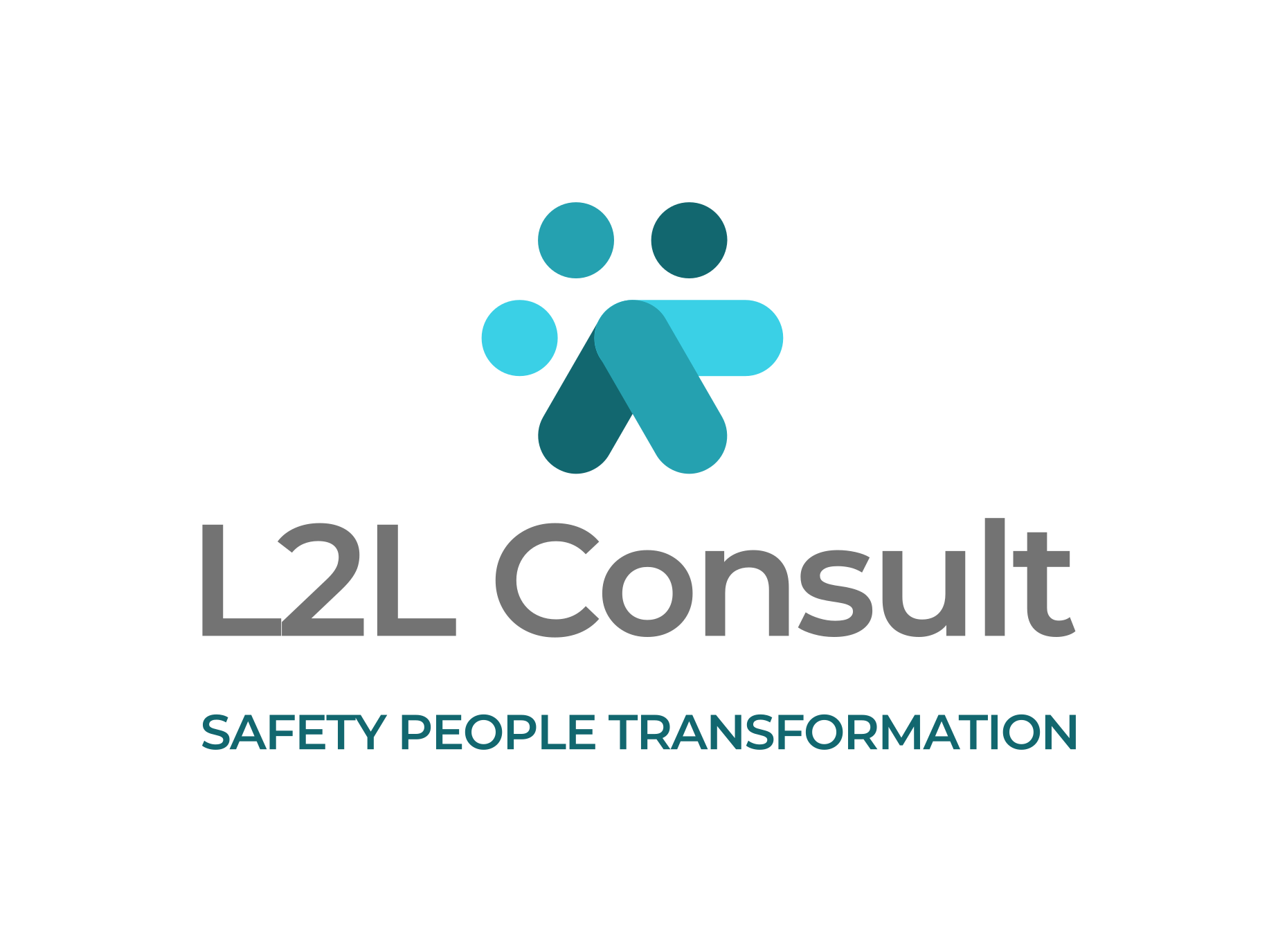
Susanne Brüggemann

Susanne Brüggemann

Managing Director · Chemical Engineer

Over 25 years' operational management experience within an international chemical industry group. Safety has always been a top priority in her professional life and has now become a true passion, one she can inspire others with.

LinkedIn profile
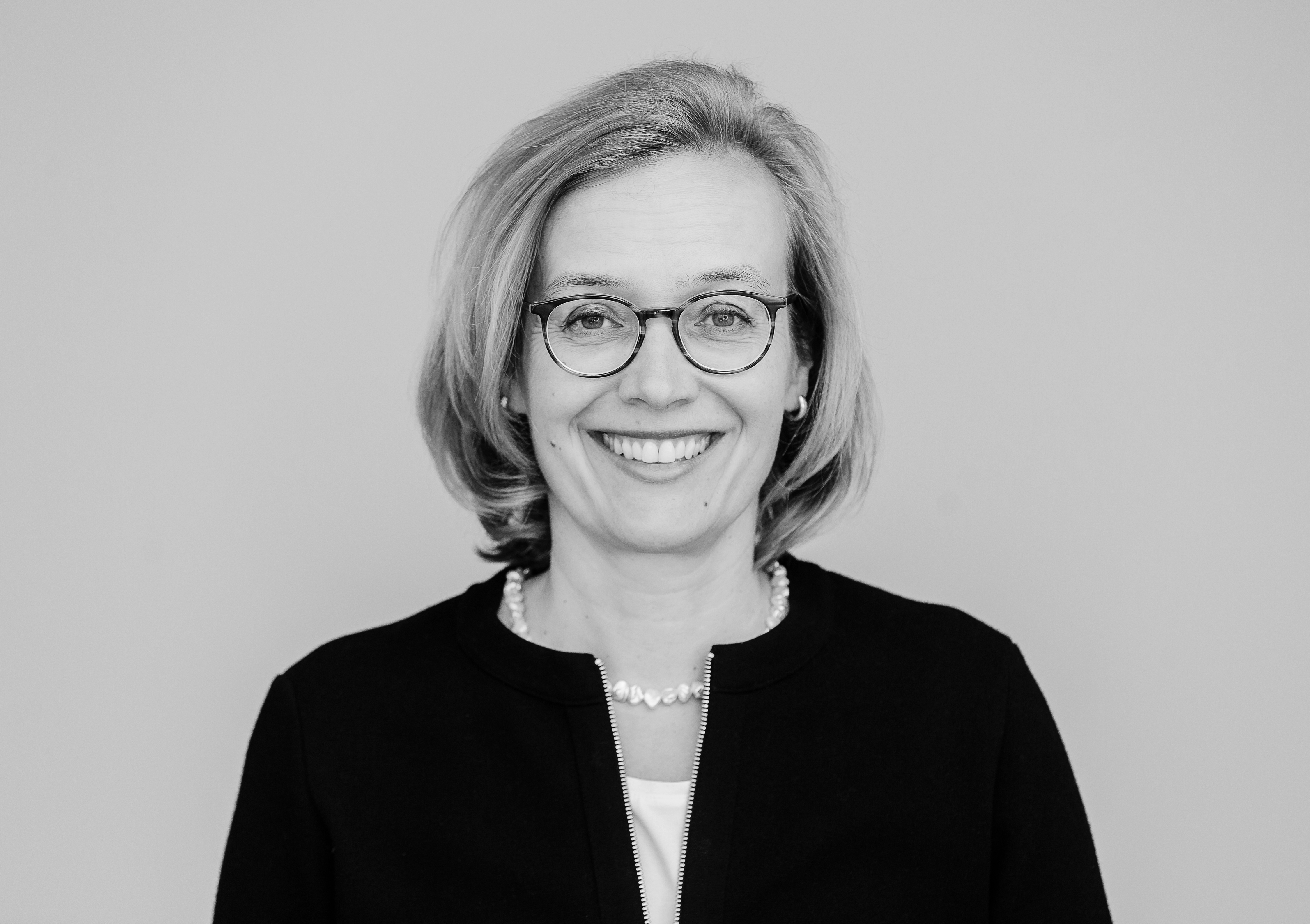
Thomas Pluch

Thomas Pluch

Managing Director · Mechanical/Industrial Eng.

Diplomatic and highly effective, strategically minded and people-oriented. Over 25 years' international management experience, with the last 15 spent self-employed in transformation projects for medium-sized companies. For him, safety is above all a strategic leadership topic, to make companies fit for the future.

LinkedIn profile

Client success stories

Mechanical engineering/electrical French corporate group 1 site in Germany 400 employees

Reaching the goal of "zero accidents" for real

Behaviour-based safety strengthens rule compliance – without more pressure or controls

Read the case study

Starting point

In previous years, the client had already invested heavily in workplace safety at the site and significantly improved the safety level. Among other things, employees were provided with high-quality technical equipment, and numerous rules were introduced – which met with growing resistance from the workforce. Management was looking for a way to develop employees' safety awareness in a positive direction, partly to gain more acceptance for the measures already introduced. Accident rates had been stable at a moderate level for several years, with no further improvement in sight.

Scope of the project

  • Initial assessment of the existing safety culture at the site.
  • Introduction of "autonomous safety" – a training approach based on Behaviour-Based Safety (BBS) to develop individual risk awareness. All employees, regardless of their role, were trained in three short workshops to recognise and correct their own unsafe behaviours and to learn how to protect themselves in all areas of life. "Autonomous safety" deliberately also addresses risks in leisure time, at home, or in road traffic.
  • Setting up and supporting a project team.
  • Assessing the change in safety culture one year after the rollout.
  • Long-term anchoring of the programme in the company.

Outcome

The client reports lively internal exchange on safety topics: significantly more near misses and unsafe situations are being recognised and reported – and the company has actually been accident-free for over 1.5 years since the rollout (accidents resulting in more than one day of lost work time). A result like this in workplace safety had never been achieved by this company in all the years before.

Food industry French corporate group 4 sites in Germany approx. 1,300 employees

A shared understanding at leadership level is the key

Safety Observation Visits embed a behaviour-based safety culture

Read the case study

Starting point

Through the acquisition of several sites from an agricultural/cooperative background, the client inherited an underdeveloped safety culture with high accident rates. Managers were practically not involved in leading workplace safety, and their role was poorly defined. Only a rudimentary safety organisation existed.

Scope of the project

  • Various leadership training sessions at all levels of the company to strengthen the role and motivation around workplace safety.
  • Introduction of Safety Observation Visits as a leadership tool – a behaviour-based (BBS-informed) observation and feedback method for managers.
  • Preparation and facilitation of HSE workshops at top management level to align on the next priorities within a strategic workplace safety action plan.

Outcome

Work in progress – there is still much to do: alongside our on-site training, the client has built up a safety organisation to define and sustainably develop the safety management system. Understanding of workplace safety is improving at all levels of the company, Safety Observation Visits are revealing many operational weaknesses that are being corrected step by step, employees are responding positively to safety feedback conversations, and accident rates are slowly improving.

Building materials industry Irish corporate group 5 sites in Germany 400 employees

Moving beyond a purely technical view of workplace safety

Without role models and clear communication from leadership, a safety culture cannot emerge

Read the case study

Starting point

An international group manufacturing building materials and products for the construction industry had grown through the acquisition of mid-sized family businesses. A consistent safety culture did not exist, accident rates varied widely, and safety management processes were not harmonised.

Scope of the project

The assessment of the lived safety culture at the sites revealed clear opportunities for improvement and supported the process harmonisation requested by the group — among other things through the consistent introduction of Behavioural Safety Visits across all sites. As part of in-house training sessions, all managers, starting with the respective management teams, were introduced to the fundamentals of safety management in a motivating and clear way.

Outcome

The recommendations from the safety assessments and the mobilisation of all managers in the subsequent in-house training created strong momentum around the topic of safety. Operational managers — actively supported by a clear stance from senior leadership — backed the development of a consistent safety culture and contributed step by step to improving safety in practice, accompanied by a competent, local and international safety organisation.

Electronics and high-tech French corporate group 4 sites in Germany/Austria 450 employees

Meeting everyone where they are on the topic of safety

Learning from each other and exchanging experience is especially valuable when it comes to safety

Read the case study

Starting point

An international group focused on a broad range of high-tech products, which had grown in German-speaking markets through the acquisition of mid-sized family businesses, was looking for a consistent approach to improving operational safety across its affiliated companies.

Scope of the project

Delivery of consistent in-house management training on safety management, with a focus on leading workplace safety. Introduction of so-called Safety Visits at workplaces to improve risk awareness among managers and employees. Immediate correction of identified risks. Increased communication from managers as part of the Safety Visits brings additional attention to the topic of safety within the company.

Outcome

A shared view and "language" was achieved across all levels of management in the company. Managers who had previously treated workplace safety as a "tiresome side issue" were successfully won over for the topic and, through the Safety Visits, were able to actively contribute to the continuous improvement of workplace safety in the company. Attention and motivation for the topic increased noticeably.

Chain restaurant industry British corporate group more than 30 sites in DACH 3,000 employees in DACH

Complying with legal requirements alone does not create an excellent safety culture

Why managers need to take personal ownership of safety and hygiene too

Read the case study

Starting point

A major player in the chain restaurant industry was struggling with numerous workplace accidents, while the actual risks present at workplaces did not seem particularly significant. Understanding of the seriousness of the situation at management level was highly inconsistent – ranging from "these results are completely unacceptable" to "that's perfectly normal."

Scope of the project

A brief safety culture assessment of the situation in the company. Pilot training sessions at two sites to adapt the pure Safety Visits approach and extend it to cover important hygiene compliance topics. Definition of the 12 most important Safety Golden Rules and improved clarity of the safety organisation. Roll-out of management training on safety management and hygiene, along with regular Safety Visits at all sites.

Outcome

Within 12 months, the company achieved very strong momentum and attention around the topic of safety/hygiene, with all local managers regularly conducting and reporting on Safety Visits, and internal processes being significantly improved. The clear stance of senior leadership on safety is communicated clearly and thereby supports the safety culture in very practical ways. For example, regular meetings on safety/hygiene were introduced to address recurring challenges and share solutions.

Frequently asked questions

What is Behaviour-Based Safety (BBS)?

Behaviour-Based Safety (BBS) is a scientifically grounded approach to workplace safety that relies on positive behavioural change rather than control and sanctions. Since more than 90% of all accident causes are behaviour-related, BBS complements traditional, technical health and safety with observation, feedback and active employee participation.

How does BBS differ from traditional health and safety?

Traditional health and safety focuses on technical measures, regulations and controls. BBS additionally addresses people: their routines, behaviour and the lived safety culture in daily work. Both approaches complement each other and build on one another.

Which companies benefit from BBS consulting?

BBS is particularly suited to industrial and manufacturing companies with physical work and a corresponding accident risk, regardless of company size. What matters is the willingness of management and employees to actively contribute to a new safety culture.

What conditions should be in place before introducing BBS?

Ideally, the organisation already practises traditional health and safety with established rules and routines. Above all, what matters is management's will to significantly improve safety in the company through positive behaviour.

How does a BBS introduction take place?

The introduction takes place in four phases: analysing the existing safety culture, designing an individual programme, implementation with a focus on managers, and the long-term development towards autonomous safety awareness among all employees.

How long does it take to establish a lived safety culture?

The timeline varies from company to company and depends on the intensity of the BBS introduction. What matters is that management and managers continuously model the desired behaviour and new routines. A lived safety culture is not a one-off project but an ongoing process that develops over years.

What role do managers play in BBS?

Managers are the key success factor: they receive basic knowledge and are specifically strengthened in their role-model function through feedback mechanisms, so that safe behaviour is championed from the top and credibly modelled throughout the company.

How are the results of BBS consulting made measurable?

The impact is made visible through concrete key figures, such as the development of accident rates, reported safety observations and behavioural indicators – transparent and traceable rather than merely theoretical.

How does a collaboration with L2L Consult begin?

It starts with a non-binding initial conversation in which we jointly clarify the framework. A successful introduction of a safety culture requires a firm, shared commitment to the goal. That's why it matters to us that expectations are realistic, that mutual respect is present, and that the people involved genuinely want to work together with trust.

Let's talk about your safety culture.

Has this page sparked your interest? We're delighted! Book a non-binding introductory meeting directly, or email us at info@l2lconsult.de.